

Witnessing 3 January 2026 in Caracas from exile
- Katherine Hasegawa

- Jan 7
- 4 min read
Hi! Katherine here speaking from Cambridge, UK.
I speak not as an observer, but as a Venezuelan (born and raised in Caracas) and forced into exile. I left my home in 2016 because of the economic collapse, repression, and fear. I have not been able to return since. The risk of detention or torture is real, and it keeps me away from the people and places I love.
On 3 January 2026, Venezuela was thrust into the global spotlight after a series of explosions shook Caracas in the early hours of the morning, followed by a large scale U.S. military operation that resulted in the capture and removal of Nicolás Maduro and Cilia Flores from Venezuelan territory.


Multiple news outlets reported airstrikes, helicopter raids, and widespread power outages across the capital as part of what U.S. officials later described as Operation Absolute Resolve. These events have triggered intense international debate, emergency meetings at the United Nations and widespread concern about their implications for international law and regional stability.
While this context matters, my focus here remains personal, what these developments mean for Venezuelans who lived through the repression that preceded them and for those of us now in forced exile.
The idea that “Venezuelans should solve their problems internally” erases what we live(d).
For over two decades, we have tried peacefully and democratically. We voted, we marched, we organized. The answer was/is brutal: political prisoners, torture centers, starvation wages, and the militarization of daily life. The state long ago stopped acting as a protector; it became an instrument of terror.
From an international law standpoint, the U.S. operation to remove Maduro raises serious concerns. It lacked UN authorization and conflicts with core principles of sovereignty and non‑intervention. I don’t deny that. I’ve also long criticized the broader history of U.S. military interventions - from Hiroshima and Nagasaki to later actions that brought devastating civilian suffering.
But legality cannot be separated from the world we actually live in. Venezuela became a transnational criminal state. Venezuela is penetrated by foreign intelligence services and armed gangs with credible allegations of narcotrafficking and regional destabilization. When a state turns against its own people, the simple moral clarity of “non‑intervention” fractures.
I don’t celebrate force. I grieve that Venezuelans were left without a viable path to change from within.
It’s important to remember the July 2024 election. According to the opposition’s published tallies, Edmundo González Urrutia received close to 67% of the vote, while the government‑aligned electoral authority declared Maduro the winner despite widespread concerns about transparency. The strong support for González and for María Corina Machado (2026 Nobel Peace Winner) never translated into a strong international response. Had the world acted more decisively then, some of today’s suffering might have been avoided.
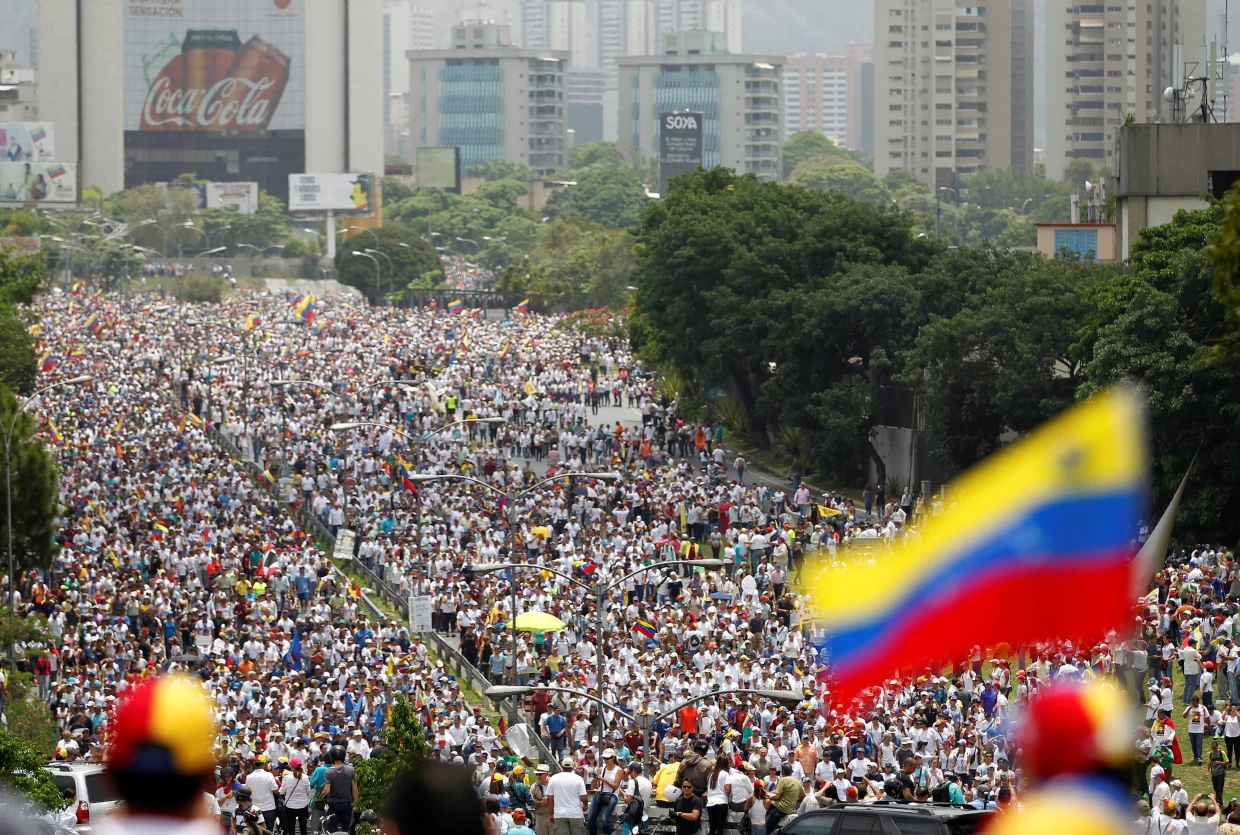


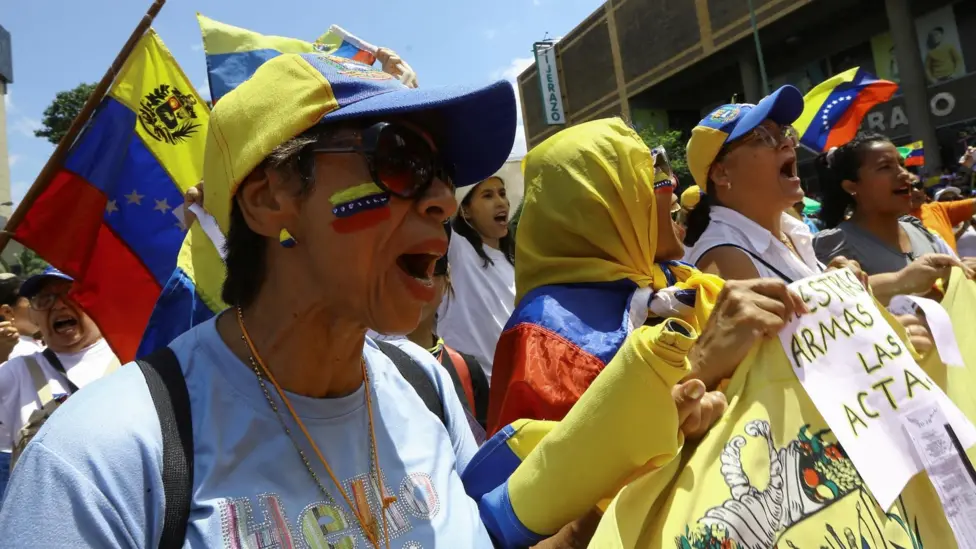
My hope, my measure, is simple: that Venezuelans can live without fear, rebuild democratic institutions, restore human rights, and move toward a sustainable, dignified future. By that standard, I judge everyone involved.
This is a pivotal moment for Venezuela’s freedom. The international community must:
Support a democratic transition led by Venezuelans themselves, not by external powers or geopolitical interests. Recent remarks by President Trump highlight the need to reaffirm that Venezuelan sovereignty belongs solely to the Venezuelan people.
Ensure the complete dismantling of the dictatorship system. Venezuelans will not accept as leaders those who enabled or benefited from the regime’s abuses.
Guarantee that media platforms prioritize and safely amplify voices inside Venezuela providing accurate, real‑time information from those living the crisis firsthand.
Mobilize immediate and large‑scale humanitarian assistance. Millions survive on wages as low as $3 per month, leaving families unable to cover even the most basic needs.
Demand the unconditional release of all political prisoners and the closure of El Helicoide, the largest torture center in Latin America.


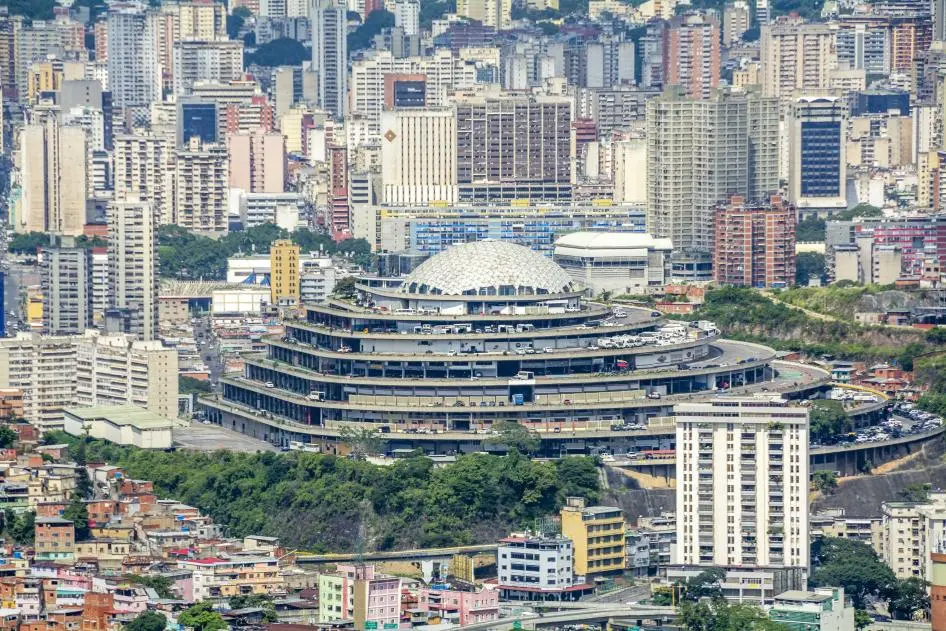


El Nacional (6 Jan 2026) Los presos políticos, por fuera de los discursos de EE.UU. y la Venezuela de Rodríguez
Protect the Venezuelan diaspora, ensuring humanitarian support for people with disabilities, older adults, and all vulnerable communities forced to flee.
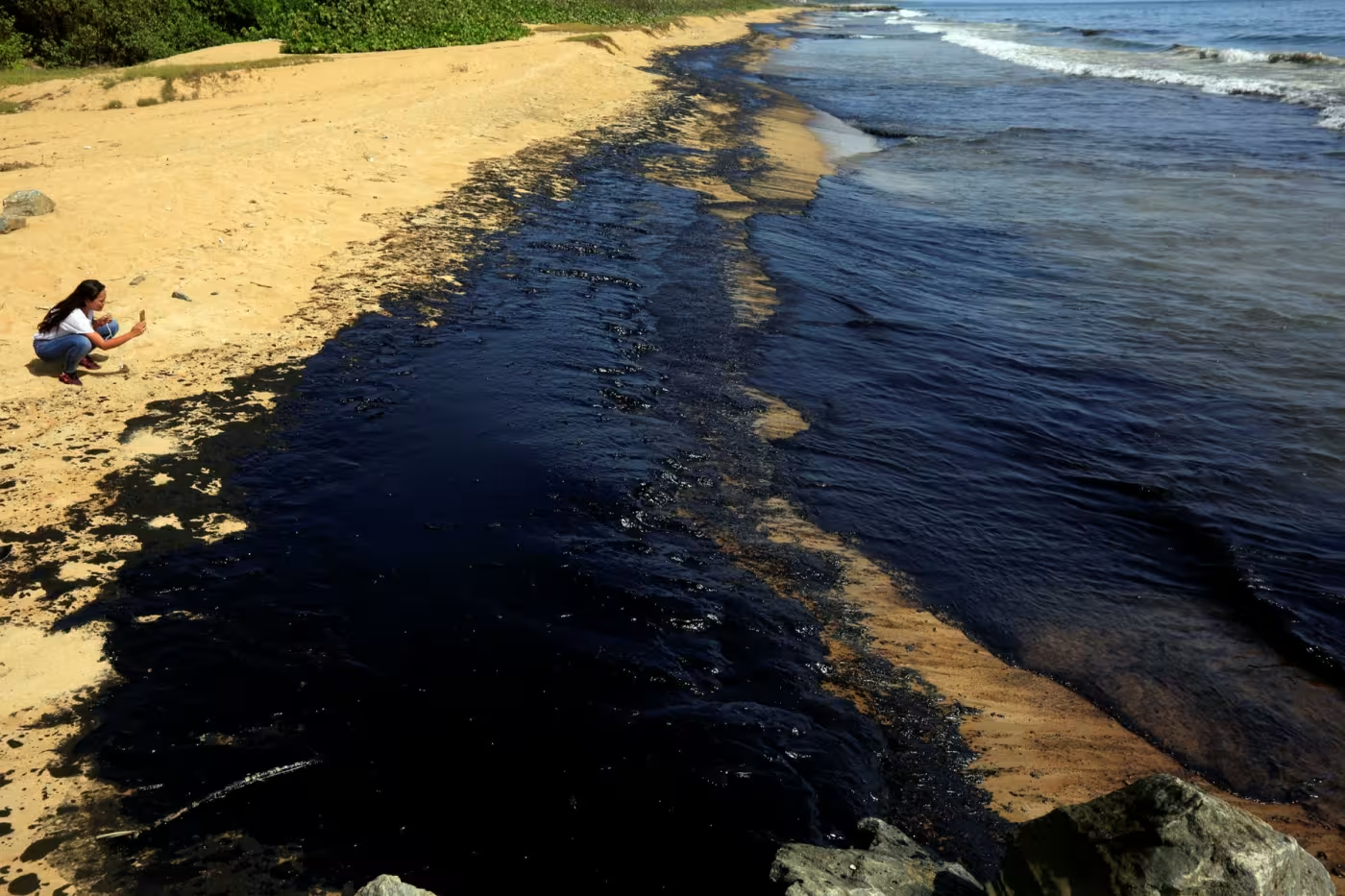
Urge the United Nations Human Rights Council and the International Criminal Court to strengthen and expand independent investigations into narcotrafficking human rights abuses and environmental destruction in Venezuela, ensuring full access and cooperation with Venezuelan civil society.
Call all UN member states to support these efforts and oppose any unilateral military intervention in Venezuela.
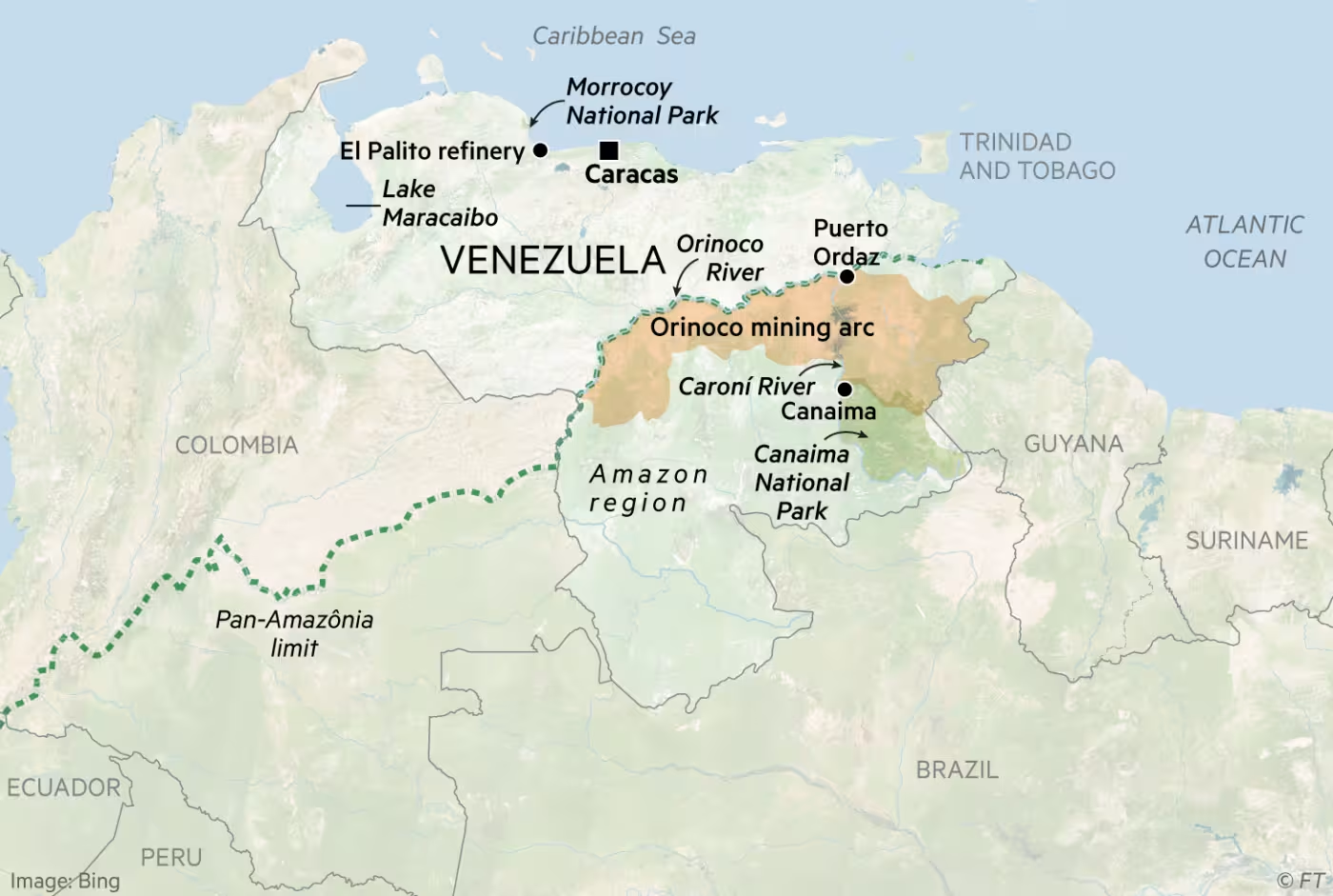
Hold fully accountable all individuals and networks responsible for the ecocide and the violent exploitation of Indigenous lands in the Orinoco Mining Arc.Illegal mining in the Venezuelan Amazon has triggered mass deforestation, mercury contamination, human trafficking, and systematic violations of Indigenous rights.This destruction must stop now.
End Venezuela’s extractivist model. The country must progressively move away from dependence on oil and mineral extraction. Fossil fuels must remain in the ground, and sustainable economic alternatives must be developed to safeguard both Venezuela’s future and the planet’s stability.
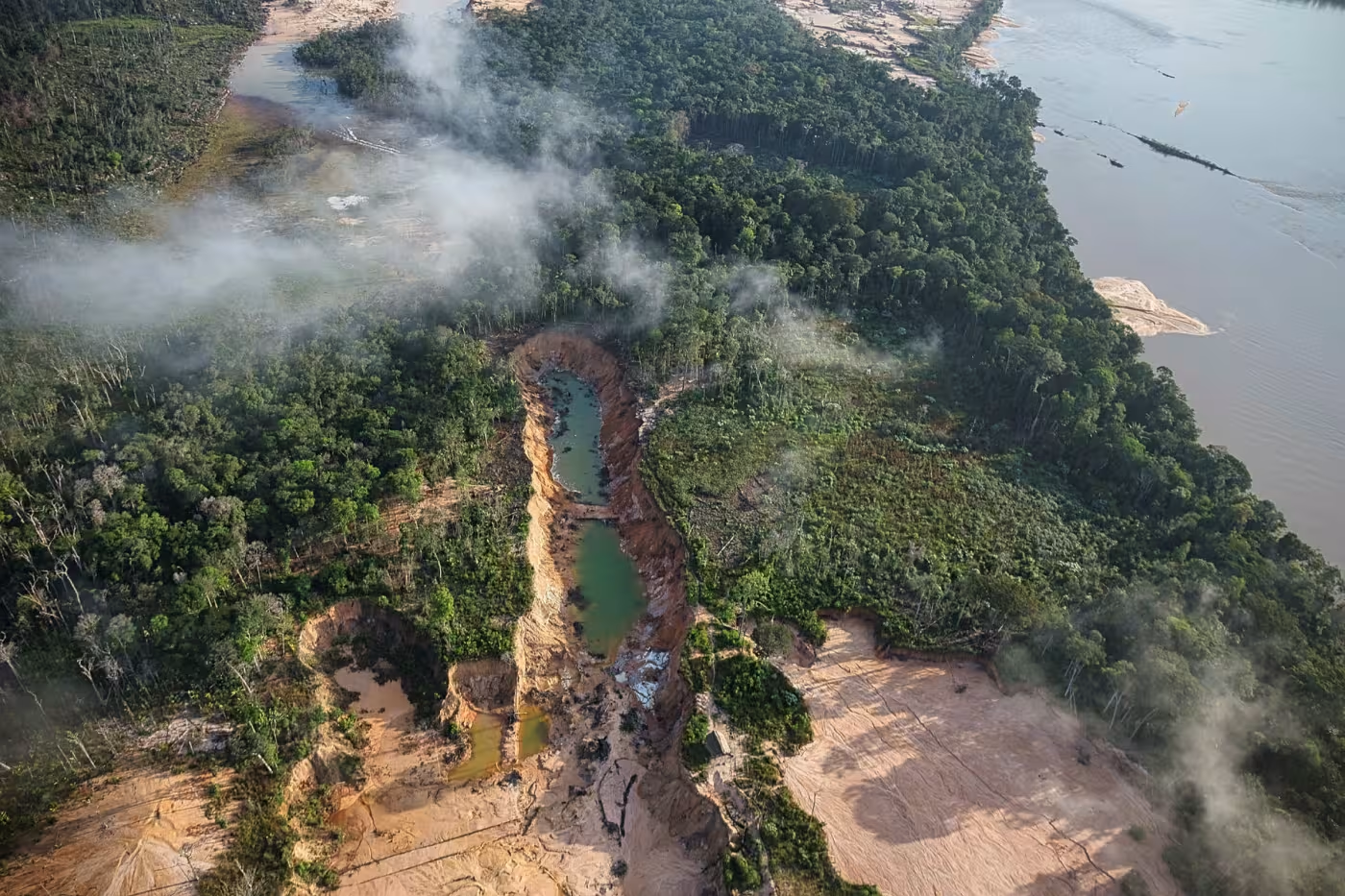


There are some urgent challenges, but this is a starting point. I welcome sincere dialogue on the country’s future and thank all who stand in solidarity and ask the difficult, necessary questions.
With thanks,
Katherine H.


Comments